REVIEW

Research Progress on Biological Function of Short-Chain Fatty Acids

  • LU Songcui ,
  • ZHENG Nan ,
  • WANG Jiaqi ,
  • ZHANG Yangdong , *
Expand
  • State Key Laboratory of Animal Nutrition and Feedings, Milk and Milk Products Inspection Center of Ministry of Agriculture and Rural Affairs, Institute of Animal Science (Beijing), Laboratory of Quality and Safety Risk Assessment for Dairy Products of Ministry of Agriculture and Rural Affairs, Key Laboratory of Quality & Safety Control for Milk and Dairy Products of Ministry of Agriculture and Rural Affairs, Institute of Animal Sciences, Chinese Academy of Agricultural Sciences, Beijing 100193, China
*professor, E-mail:

Received date: 2023-12-29

  Online published: 2024-06-07

Abstract

Short-chain fatty acids (SCFAs) refer to a class of saturated organic acids with the number of carbon atoms in the carbon chain between 1 and 6. This article comprehensively expounds the sources of SCFAs, focuses on the research progress of the biological function of SCFAs, and summarizes the mechanism of action on energy supply, maintenance of intestinal and nervous system health, reduction of blood pressure and prevention of obesity, so as to provide a theoretical basis for the subsequent research and application of SCFAs in the field of nutrition.

Cite this article

LU Songcui , ZHENG Nan , WANG Jiaqi , ZHANG Yangdong . Research Progress on Biological Function of Short-Chain Fatty Acids[J]. Chinese Journal of Animal Nutrition, 2024 , 36(6) : 3514 -3524 . DOI: 10.12418/CJAN2024.302

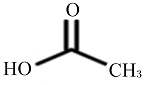
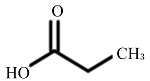
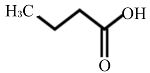
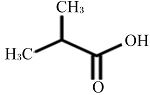
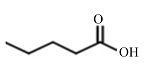
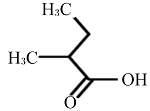
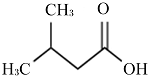
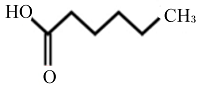
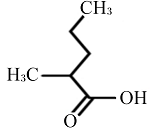
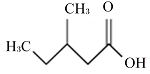
短链脂肪酸(short-chain fatty acids,SCFAs)指由1~6个碳原子组成、以直连和支链构象形式存在的一类饱和有机酸,由于其分子质量小、沸点低、易挥发,又被称为挥发性脂肪酸,根据其所含的碳原子数和构象又可以命名为甲酸、乙酸、丙酸、丁酸、异丁酸、戊酸、异戊酸、2-甲基丁酸、己酸、2-甲基戊酸、3-甲基戊酸[1-2](表1);SCFAs是肠道微生物发酵的膳食纤维产生的,乙酸、丙酸和丁酸是胃肠道中含量最丰富的SCFAs,对机体有多种有益作用[3]。丁酸盐由于其抗炎和抗氧化作用而被广泛研究[4]。此外,SCFAs可以与G蛋白偶联受体(G protein-coupled receptors,GPRs),如GPR41和GPR43结合,发挥多种有利于肠道健康的细胞内效应[5-7]。乳中SCFAs的合成主要是以胃肠道微生物发酵碳水化合物所产生的副产物乙酸和酮体-β-羟基丁酸为前体物,经血液循环运送到乳腺后,在乙酰辅酶A(coenzyme A,CoA)转移酶和脂肪酸合成酶的催化下,在乳房分泌细胞中合成、分泌,并受多种因素调控[8-9]。SCFAs在乳中以游离态SCFAs和结合态SCFAs 2种形式存在,大部分SCFAs与甘油骨架结合形成甘油三酯,目前对乳中SCFAs的研究较多的是丁酸和己酸,且鲜有报道区分游离态SCFAs和结合态SCFAs[10]。本文聚焦于SCFAs的生物学功能研究进展,归纳总结了SCFAs的生理功能及作用机制,为后续乳中SCFAs的研究与应用提供理论依据。
表1 SCFAs的CAS号及化学结构

Table 1 CAS number and chemical structure of SCFAs

项目
Items
CAS号
CAS number
分子式
Molecular
formula
摩尔质量
Molar mass/
(g/mol)
化学结构
Chemical structure
甲酸
Formic acid
64-18-6 CH2O2 46.025
乙酸
Acetic acid
64-19-7 C2H4O2 60.05
丙酸
Propionic acid
79-09-4 C3H6O2 74.078
丁酸
Butyric acid
107-92-6 C4H8O2 88.105
异丁酸
Isobutyric acid
79-31-2 C4H8O2 88.105
戊酸
Valeric acid
109-52-4 C5H10O2 102.132
2-甲基丁酸
2-methylbutyric acid
116-53-0 C5H10O2 102.132
异戊酸
Isovaleric acid
503-74-2 C5H10O2 102.132
己酸
Caproic acid
142-62-1 C6H12O2 116.158
2-甲基戊酸
2-methylvaleric acid
97-61-0 C6H12O2 116.158
3-甲基戊酸
3-methylvaleric acid
105-43-1 C6H12O2 116.158

1 SCFAs的来源

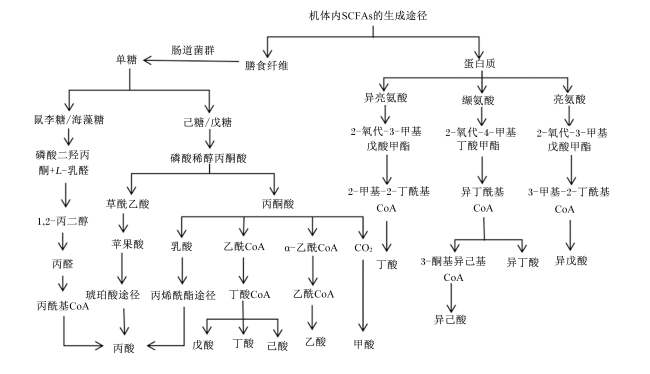
胃肠道微生物能够将复杂的、难以消化的碳水化合物转化分解为SCFAs。研究发现,机体内SCFAs来自不同的细菌和不同的生产途径,主要包括以下2种途径(图1):一是以单糖为底物合成直链SCFAs[11]。牛、羊和骆驼等反刍动物利用瘤胃微生物发酵饲粮纤维产生乙酸、丙酸、丁酸等直链SCFAs,在拟杆菌、双歧杆菌等微生物菌群的作用下,无法被机体直接消化吸收的碳水化合物被微生物发酵形成了大量的单糖、寡糖分子,并进一步生成了乙酸、丙酸、丁酸等直链SCFAs[12-13],其中乙酸盐可通过丙酮酸途径产生;丙酸盐由琥珀酸途径、丙烯酸途径和丙二醇途径产生;丁酸盐和己酸盐是由2个乙酰CoA分子缩合,随后还原为丁酰CoA形成[14],此外,乙酰CoA转移酶也会导致丁酸盐的产生,一些细菌使用乙酸盐作为丁酸盐生产的底物[15-16]。二是以氨基酸为底物合成支链SCFAs,这种现象主要发生于饲粮纤维发酵供不应求的情况下[9,17-18],利用机体蛋白质发酵产生异丁酸、异戊酸等支链SCFAs。这可能是导致乳中支链SCFAs含量少的原因。
图1 机体内SCFAs的产生途径

SCFAs:短链脂肪酸 short-chain fatty acids;CoA:辅酶A coenzyme A;CO2:二氧化碳 carbon dioxide。

Fig.1 Produce pathways of SCFAs in vivo[13]

综上所述,SCFAs的产生途径多样,同时也受到多重因素的影响,直链SCFAs和支链SCFAs的产生受胃肠道菌群和膳食纤维组成的影响,因此直链SCFAs和支链SCFAs含量存在着较大差异。

2 SCFAs的生物学功能及作用机制

虽然机体内少量SCFAs来源于食物(例如牛奶),但SCFAs作为肠道微生物的主要发酵产物,在生理功能和疾病健康上备受关注,此外SCFAs在肠道、大脑、脂肪组织、心血管组织和胰岛等多个器官和组织中均发挥着重要作用。

2.1 机体供能

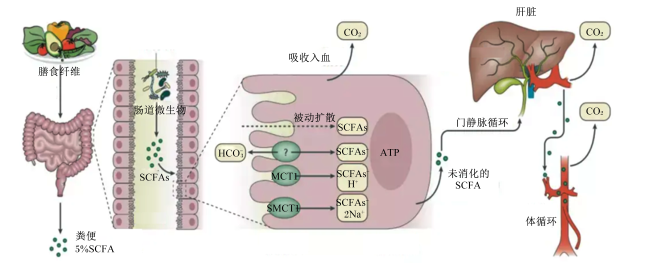
机体中的SCFAs主要由细菌发酵不易消化的碳水化合物产生,可作为肠道细胞的能量来源和营养因子[19]。SCFAs产生后通过单羧酸转运蛋白1(monocarboxylate transporter 1,MCT1)和钠离子偶联的单羧酸转运蛋白1(sodium-coupled monocarboxylate transporter 1,SMCT1)介导的主动转运迅速被结肠细胞吸收[20];进入线粒体柠檬酸循环,为细胞提供能量[21];或通过被动扩散或与碳酸氢盐(HC O 3 -)交换,氧化成二氧化碳(CO2),以ATP的形式为细胞提供能量,然而未被结肠细胞代谢的SCFAs则通过基底外侧膜进入肝脏的门静脉循环,通过氧化为肝细胞提供能量,还参与了葡萄糖、胆固醇和脂肪酸的生物合成,因此仅有少量SCFAs进入体循环[22](图2)。SCFAs在机体内的最大功能是供应能量,聚集在脂肪细胞内而形成脂肪的很少。SCFAs主要通过MCT1、SMCT1和被动扩散被结肠细胞吸收[23]。在细胞内水平上,SCFAs被细胞代谢并转化为ATP,作为这些细胞的能量来源。在肝脏中,SCFAs被用于合成胆固醇和葡萄糖,只有少量未被肝脏使用的SCFAs到达体循环[24]。丁酸盐是结肠细胞的主要能量来源,一项研究表明,根据生理学标准,即使乙酸盐浓度高于丁酸盐,结肠细胞也会优先吸收丁酸盐作为能量来源[25-26]。SCFAs一旦被结肠细胞吸收,就会成为底物,并通过柠檬酸循环或线粒体β氧化以产生能量。丙酸盐是一种糖异生底物,通过三羧酸循环转化为葡萄糖分子[27],50%的丙酸盐在肝脏糖异生过程中被人体吸收,充当底物。大多数乙酸盐(70%)被外周细胞吸收作为能量,也用于胆固醇和脂肪酸的合成,以及谷氨酸和谷氨酰胺的合成[28]。此外,Morrison等[29]的研究也证实了上皮优先使用丁酸盐,肝脏优先使用丙酸盐,外周优先使用乙酸盐。Oldendorf[30]将碳14(14C)-丁酸盐注射到大鼠的颈动脉,在标记注射15 s后,大脑中丁酸盐含量已达到血浆中的46%;各器官对丁酸盐摄取10 min比较表明,肝脏和脾脏对丁酸盐的吸收最强烈。Hernandez等[31]观察到健康个体脑脊液中的丙酸盐水平约为62 μmol/L,与乙酸盐和丙酸盐相比,大脑中丁酸盐摄取不足。研究发现乙酸盐(40%)、丙酸盐(10%)和丁酸盐(5%)达到体循环,血浆中含量分别为160、13和12 μmol/L[32]。SCFAs除了引流到门静脉和肝脏外,还可以在直肠中被吸收,并可引流到下腔静脉并进入循环[32],为机体提供能量底物。
图2 SCFAs从饲粮纤维到体循环的代谢

SCFAs:短链脂肪酸 short-chain fatty acids;HC O 3 -:碳酸氢根 bicarbonate;MCT1:单羧酸转运蛋白1 monocarboxylic acid transporter 1;SMCT1:钠离子偶联单羧酸转运蛋白1 sodium-conjugated monocarboxylic acid transporter 1;CO2:二氧化碳 carbon dioxide。

Fig.2 Metabolism of SCFAs from dietary fiber to systemic circulation[22]

综上所述,SCFAs通过MCT1和SMCT1转运蛋白被结肠细胞吸收,作为能量物质来源。丁酸是结肠细胞的能量来源,而丙酸主要在肝脏被利用,乙酸在除心脏、肝脏、肾脏等其他外周器官中被广泛利用,只有少量的SCFAs能到达体循环,因此SCFAs发挥作用的位置具有一定的特异性。

2.2 改善肠道健康

SCFAs通过抑制肠道中有害菌的生长繁殖来维持肠道健康。研究发现SCFAs可以通过激活GPR41[33]、GPR43[3]和过氧化酶活化增生受体γ(peroxisome proliferator-activated receptor γ,PPARγ)[34]等,调节炎症相关基因的表达,从而影响炎症反应的发生和发展[5-7]。Zuo等[35]研究发现,丁酸盐能够减少促炎细胞因子如白细胞介素-8(interleukin-8,IL-8)、白细胞介素-6(interleukin-6,IL-6)、白细胞介素-12(interleukin-12,IL-12)和肿瘤坏死因子-α(tumor necrosis factor-α,TNF-α)的产生和增加抗炎细胞因子的生成,进而维护肠道上皮健康。丁酸盐的抗炎作用与其抑制核因子-κB(nuclear factor-kappa B,NF-κB)和组蛋白去乙酰化的信号通路、降低巨噬细胞的活化、氧化应激、炎症细胞的募集有关,从而抑制肠道炎症[36-38]。Louis等[39]研究发现,丁酸盐可通过刺激人肠上皮细胞和抗原呈递细胞产生转化生长因子-β(transforming growth factor-β,TGF-β)、白细胞介素-10(interleukin-10,IL-10)和白细胞介素-18(interleukin-18,IL-18),诱导T细胞分化为T调节细胞,进而调节肠道炎症。在2,4,6-三硝基苯磺酸诱导的试验性结肠炎中,丁酸钠治疗可改善肠道炎症,降低组织学损伤评分,促进动物体重显著恢复,提高IL-10含量[40]。在右旋糖酐硫酸钠诱导的结肠炎中,丁酸钠预处理可防止动物体重减轻,恢复结肠炎引起的结肠缩短,减少肠黏膜病变,减少IL-6、TNF-α等促炎细胞因子的产生,增加IL-10含量[41]。Feng等[42]报告了饲粮中添加丁酸钠(1 g/kg)显著降低断奶仔猪腹泻发生率,并通过提高产生血浆免疫球蛋白G(immunoglobulin G,IgG)和空肠免疫球蛋白A(immunoglobulin A,IgA)的细胞数量增强免疫功能,减少断奶应激的不良反应,保持肠黏膜的完整性。Zaiss等[11]研究发现,乙酸和丙酸均可抑制Toll样受体4(Toll-like receptor 4,TLR4)刺激介导的促炎细胞因子的产生,丙酸与丁酸类似,也可诱导T细胞分化为T调节性细胞。Tong等[43]在制备的结肠炎模型中发现丙酸能够抑制结肠中促炎标志物如IL-6、IL-1βTNF-α的表达,改善肠道健康。此外,乳中SCFAs在生理疾病方面也表现出积极的作用,母乳中SCFAs,如乙酸、丙酸、丁酸等,在早产儿未成熟的肠道细胞中起到预防过度炎症引起的坏死性小肠结肠炎的作用[44]
综上所述,SCFAs可以通过激活游离脂肪酸受体(GPR41、GPR43和PPARγ)、减少促炎细胞因子产生、调节黏蛋白表达水平、抑制NF-κB和组蛋白去乙酰化的表达来降低肠道炎症的发生,因此,SCFAs可能是研究如何改善肠道炎症的新方向。

2.3 调节神经性疾病

越来越多的证据表明,肠道菌群产生的SCFAs与中枢神经系统(central nervous system,CNS)相互作用,调节中枢代谢功能,如炎症反应[45]、免疫调节[46]、血脑屏障[47]的完整性等。
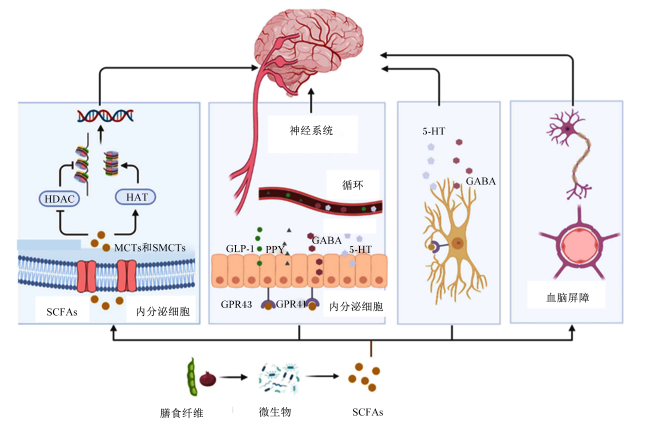
膳食纤维进入结肠后,被微生物发酵产生SCFAs,通过各种机制影响中枢神经系统(图3)[48-49]。产生的SCFAs主要通过单羧酸转运蛋白(MCTs)或钠离子偶联单羧酸转运蛋白(SMCTs)被结肠细胞吸收[20]。通过抑制组蛋白脱乙酰酶的活性或增加组蛋白乙酰转移酶的活性,来刺激乙酰化产生具有转录活性的染色质,并促进基因转录,从而影响大脑发育和抑制抑郁症、精神分裂症和阿尔茨海默氏症等一系列神经精神疾病的产生[22,50]。Van De Wouw等[51]发现SCFAs增强了海马体生长因子的产生,如脑源性神经营养因子,并影响情绪和认知相关行为。SCFAs能与肠内分泌细胞上的受体相互作用,刺激其L细胞分泌胰高血糖素样肽-1(glucagon-like peptide-1,GLP-1)和肽YY(peptide YY,PYY),通过体循环或迷走神经通路间接向大脑发送信号[52],对维持血糖水平和能量平衡发挥着重要的调控作用。SCFAs还能通过位于内皮细胞上的MCTs穿过血脑屏障(blood-brain barrier,BBB),并通过上调紧密连接蛋白的表达、调节神经元和突触的生长发育,进而影响神经系统来影响BBB完整性[53]。在CNS中,SCFAs影响着小胶质细胞的形态和功能,调节神经营养因子水平,促进血清素的生物合成,并改善神经元稳态和功能以影响神经炎症[54]。此外,SCFAs对大脑免疫细胞(小胶质细胞)的结构和神经免疫功能很重要,乙酸盐、丙酸盐和丁酸盐有助于脑小胶质细胞的正常发育,并且可以通过在饮用水中添加SCFAs饲喂4周来恢复无菌小鼠中小胶质细胞成熟和形成的缺陷,从而恢复神经免疫功能[46]。因此,可以通过补充饲粮纤维、益生菌和外源性SCFAs,预防神经性疾病的发生。
综上所述,SCFAs通过抑制组蛋白乙酰化、调节紧密连接蛋白的表达或影响小胶质细胞的形态和功能来影响神经性疾病的发生。
图3 SCFAs影响中枢神经系统

SCFAs:短链脂肪酸 short-chain fatty acids;MCTs:单羧酸转运蛋白 monocarboxylic acid transporters;SMCTs:钠离子偶联单羧酸转运蛋白 sodium-conjugated monocarboxylic acid transporters;HDAC:组蛋白脱乙酰酶 histone acetyltransferase;HAT:组蛋白乙酰转移酶 histone deacetylase;GPR43:G蛋白偶联受体43 G protein-coupled receptor 41;GPR41:G蛋白偶联受体41 G protein-coupled receptor 41;GLP-1:胰高血糖素样肽-1 glucagon-like peptide-1;PYY:肽YY peptide YY;GABA:γ-氨基丁酸 γ-aminobutyric acid;5-HT:5-羟色胺 5-hydroxytryptamine。

Fig.3 SCFAs affect central nervous system[49]

2.4 降低血压

心血管疾病(cardiovascular disease,CVD)是一类严重危害人类身体健康的疾病,包括高血压、冠状动脉疾病和中风,是全球最常见的发病率和死亡率原因,据相关调查研究显示,因心血管疾病死亡的人数居各种疾病死亡人数之首,占疾病死亡的45%以上[55]。心脏是一个高度需要能量的器官,每天大约消耗6 kg的ATP[56],为了维持其连续的跳动,需要各种底物,包括脂肪酸、葡萄糖和酮体[57]。肠道微生物衍生的代谢物SCFAs近年来被认为是一种新的调节因子[58]。越多研究证据表明,高血压患者中肠道SCFAs含量和肠道细菌的相对丰度低于健康人体。在一项大型随机试验中发现,膳食纤维的摄入减少能够增加循环SCFAs含量,同时降低血压,改善动脉顺应性,但存在性别差异[59]。最新研究表明,肠道菌群在高血压的发展中起着至关重要的作用,这与一些特定的SCFAs产生的菌群显著相关,这些菌群包括但不限于细菌、罗斯伯里、拟杆菌、链球菌等,它们的存在与SCFAs含量的增加密切相关,益生菌酸奶通过增加SCFAs(乙酸、丙酸、丁酸和戊酸)含量来调节小鼠的肠道微生物群[60],简而言之,益生菌酸奶通过重塑肠道微生物群在自发性高血压大鼠中表现出抗高血压的作用。另一项针对原发性高血压患者的研究也证实,相比于健康对照组,原发性高血压患者中产生SCFAs的细菌数量相对较少[61]。Verhaar等[62]的研究涵盖了来自6个种族的4 672名受试者,显示肠道微生物群组成与血压密切相关,为监管血压的机制提供了进一步证据。SCFAs含量的升高被证实对高血压具有保护作用,其机制涉及激活肠血管轴SCFAs-GPRs通路和改善血管内皮功能[63]。Wang等[41]和Pluznick等[64]研究表明,丙酸可诱导血管舒张,丁酸钠通过抑制模式识别受体(pattern recognition receptor,PRR)介导的肾内肾素-血管紧张素系统发挥降压作用。Roshanravan等[65]和Marques等[66]研究还
发现,膳食纤维补充导致乙酸盐含量增加,下调肾素-血管紧张素系统,降低血压,改善心血管健康和功能。此外,Kaye等[67]和Liu等[68]研究发现,SCFAs及其受体可能在协同或拮抗作用中发挥作用,而低纤维化饮食可能导致SCFAs和GPR43信号传导的不足,进而导致高血压。因此,通过饮食中补充SCFAs可能是一种有益的预防策略,因为它们展现出免疫调节功能,对心血管健康具有重要作用。

2.5 预防肥胖

肥胖是一种复杂疾病,受到生理、遗传、环境和行为等多方面因素的影响[69]。Szentirmai等[70]和Chakraborti[71]研究表明,丁酸盐和丙酸盐具有抗肥胖特性,丁酸盐通过激活棕色脂肪组织中的PPAR-γ-共激活因子-解偶联蛋白途径,促进脂肪分解并增强线粒体功能[72]。此外,丁酸还能刺激黏蛋白的产生,增加紧密连接蛋白表达,并通过诱导调节性T细胞控制炎症来改善上皮屏障功能[73];丙酸盐通过激活GPR41和GPR43,促进肠道GLP-1和PYY的释放,进而促进胰岛素的产生并抑制食物消耗[50]。这些作用协同发挥,构成了它们对抗肥胖的多重调节机制。乙酸盐通过激活腺苷5'-单磷酸活化蛋白激酶通路降低肝脏中过氧化物酶体、激活受体的蛋白表达水平,从而减少脂质积累并增加脂肪酸氧化[74]。然而,乙酸盐的摄入除了对脂质代谢的有益作用外,还能激活副交感神经系统,导致生长素释放肽的分泌增加和葡萄糖刺激的胰岛素分泌[75]。这些效应会产生正反馈回路,导致食欲亢进、高甘油三酯血症、肝脏和骨骼肌中脂质沉积以及胰岛素抵抗。SCFAs还通过激活GPRs上调脂肪细胞中瘦素的表达,改善肥胖病理过程[76]。大量科学研究证实了膳食纤维通过调节肠道菌群预防和治疗肥胖的有益作用和潜在机制,而乳及乳制品仍然是婴幼儿SCFAs(主要是丁酸)的主要膳食来源[21]。研究表明,婴幼儿早期从母乳摄入的SCFAs可以降低特异性疾病(食物过敏、哮喘、特应性鼻炎等)或肥胖的风险[9]。富含膳食纤维的饮食会影响体重和食欲控制的调节以及能量稳态。口服SCFAs似乎在动物模型和人类受试者中都具有抗肥胖特性[77],例如,在动物模型中,补充乙酸、丙酸或丁酸的高脂肪饮食既能提高胰岛素敏感性,又能防止体重增加[72]
综上所述,SCFAs在脂质代谢调节中起着重要作用,丙酸和丁酸等SCFAs通过增加肠道激素GLP-1和PYY的形成,进而降低食欲来减少食物摄入量,达到预防肥胖的作用。

3 小结与展望

SCFAs在维护机体生理功能和促进健康中发挥着重要作用,包括为机体供能、维持肠道和神经系统健康、降低血压以及预防肥胖等多方面的影响。然而,乳中SCFAs的存在形式不仅仅对牛奶的理化特性产生影响,还可能对肠道微生物群的健康产生潜在影响。目前,对总SCFAs含量的关注较多,而乳中的游离SCFAs却被较少重视,尽管它们是乳中气味的主要来源。因此,未来的研究方向应该更加关注乳中游离SCFAs的特定属性和相互关系,以推动更精准的研究和应用。
[1]
MANSUY-AUBERT V, RAVUSSIN Y. Short chain fatty acids:the messengers from down below[J]. Frontiers in Neuroscience, 2023,17:1197759.

[2]
ANNUNZIATA G, ARNONE A, CIAMPAGLIA R, et al. Fermentation of foods and beverages as a tool for increasing availability of bioactive compounds.Focus on short-chain fatty acids[J]. Foods, 2020, 9(8):999.

[3]
BARTOSZEK A, MOO E V, BINIENDA A, et al. Free fatty acid receptors as new potential therapeutic target in inflammatory bowel diseases[J]. Pharmacological Research, 2020,152:104604.

[4]
CHEN G X, RAN X, LI B, et al. Sodium butyrate inhibits inflammation and maintains epithelium barrier integrity in a TNBS-induced inflammatory bowel disease mice model[J]. EBioMedicine, 2018,30:317-325.

[5]
STILLING R M, VAN DE WOUW M, CLARKE G, et al. The neuropharmacology of butyrate:the bread and butter of the microbiota-gut-brain axis?[J]. Neurochemistry International, 2016,99:110-132.

[6]
KARAKI S I, MITSUI R, HAYASHI H, et al. Short-chain fatty acid receptor,GPR43,is expressed by enteroendocrine cells and mucosal mast cells in rat intestine[J]. Cell and Tissue Research, 2006, 324(3):353-360.

[7]
KIMURA I, ICHIMURA A, OHUE-KITANO R, et al. Free fatty acid receptors in health and disease[J]. Physiological Reviews, 2020, 100(1):171-210.

DOI PMID

[8]
KHEMICI V, PRADOS J, PETRIGNANI B, et al. The DEAD-box RNA helicase CshA is required for fatty acid homeostasis in Staphylococcus aureus[J]. PLoS Genetics, 2020, 16(7):e1008779.

[9]
STINSON L F, GAY M C L, KOLEVA P T, et al. Human milk from atopic mothers has lower levels of short chain fatty acids[J]. Frontiers in Immunology, 2020,11:1427.

[10]
WU X F, WANG F G, CHEN M Q, et al. Quantification of free short-chain fatty acids in raw cow milk by gas chromatography-mass spectrometry[J]. Foods, 2023, 12(7):1367.

[11]
ZAISS M M, JONES R M, SCHETT G, et al. The gut-bone axis:how bacterial metabolites bridge the distance[J]. The Journal of Clinical Investigation, 2019, 129(8):3018-3028.

[12]
GUO Y S, WANG F F, MAO Y X, et al. Influence of parturition on rumen bacteria and SCFAs in Holstein cows based on 16S rRNA sequencing and targeted metabolomics[J]. Animals, 2023, 13(5):782.

[13]
KOH A, DE VADDER F, KOVATCHEVA-DATCHARY P, et al. From dietary fiber to host physiology:short-chain fatty acids as key bacterial metabolites[J]. Cell, 2016, 165(6):1332-1345.

[14]
DAVID L A, MAURICE C F, CARMODY R N, et al. Diet rapidly and reproducibly alters the human gut microbiome[J]. Nature, 2014, 505(7484):559-563.

[15]
XU Y Q, ZHU Y, LI X T, et al. Dynamic balancing of intestinal short-chain fatty acids:the crucial role of bacterial metabolism[J]. Trends in Food Science & Technology, 2020,100:118-130.

[16]
REICHARDT N, DUNCAN S H, YOUNG P, et al. Phylogenetic distribution of three pathways for propionate production within the human gut microbiota[J]. The ISME Journal, 2014, 8(6):1323-1335.

[17]
MACFARLANE S, MACFARLANE G T. Regulation of short-chain fatty acid production[J]. The Proceedings of the Nutrition Society, 2003, 62(1):67-72.

[18]
TREFFLICH I, DIETRICH S, BRAUNE A, et al. Short- and branched-chain fatty acids as fecal markers for microbiota activity in vegans and omnivores[J]. Nutrients, 2021, 13(6):1808.

[19]
SHATOVA O P, YAGODKINA E M, KAYDOSHKO S S, et al. Role of tryptophan metabolites and short-chain fatty acids in pathogenesis of autoimmune diseases[J]. Journal of Evolutionary Biochemistry and Physiology, 2023, 59(4):1360-1373.

[20]
GOMES S D, OLIVEIRA C S, AZEVEDO-SILVA J, et al. The role of diet related short-chain fatty acids in colorectal cancer metabolism and survival:prevention and therapeutic implications[J]. Current Medicinal Chemistry, 2020, 27(24):4087-4108.

[21]
SCHÖNFELD P, WOJTCZAK L. Short- and medium-chain fatty acids in energy metabolism:the cellular perspective[J]. Journal of Lipid Reserach, 2016, 57(6):943-954.

[22]
DALILE B, VAN OUDENHOVE L, VERVLIET B, et al. The role of short-chain fatty acids in microbiota-gut-brain communication[J]. Nature Reviews Gastroenterology & Hepatology, 2019, 16(8):461-478.

[23]
GUO M Y, FAN X J, TUERHONGJIANG G, et al. Targeted metabolomic analysis of plasma fatty acids in acute myocardial infarction in young adults[J]. Nutrition,Metabolism and Cardiovascular Diseases, 2021, 31(11):3131-3141.

[24]
FROST G, SLEETH M L, SAHURI-ARISOYLU M, et al. The short-chain fatty acid acetate reduces appetite via a central homeostatic mechanism[J]. Nature Communications, 2014,5:3611.

[25]
SCHWIERTZ A, TARAS D, SCHÄFER K, et al. Microbiota and SCFA in lean and overweight healthy subjects[J]. Obesity, 2010, 18(1):190-195.

DOI PMID

[26]
DEN BESTEN G, VAN EUNEN K, GROEN A K, et al. The role of short-chain fatty acids in the interplay between diet,gut microbiota,and host energy metabolism[J]. Journal of Lipid Research, 2013, 54(9):2325-2340.

[27]
HU J M, LIN S L, ZHENG B D, et al. Short-chain fatty acids in control of energy metabolism[J]. Critical Reviews in Food Science and Nutrition, 2018, 58(8):1243-1249.

DOI PMID

[28]
KINDT A, LIEBISCH G, CLAVEL T, et al. The gut microbiota promotes hepatic fatty acid desaturation and elongation in mice[J]. Nature Communications, 2018, 9(1):3760.

DOI PMID

[29]
MORRISON D J, PRESTON T. Formation of short chain fatty acids by the gut microbiota and their impact on human metabolism[J]. Gut Microbes, 2016, 7(3):189-200.

DOI PMID

[30]
OLDENDORF W H. Carrier-mediated blood-brain barrier transport of short-chain monocarboxylic organic acids[J]. American Journal of Physiology, 1973, 224(6):1450-1453.

[31]
HERNANDEZ M A G, CANFORA E E, JOCKEN J W E, et al. The short-chain fatty acid acetate in body weight control and insulin sensitivity[J]. Nutrients, 2019, 11(8):1943.

[32]
CANFORA E E, JOCKEN J W, BLAAK E E. Short-chain fatty acids in control of body weight and insulin sensitivity[J]. Nature Reviews Endocrinology, 2015, 11(10):577-591.

DOI PMID

[33]
REN G X, CHENG G Y, WANG J Q. Understanding the role of milk in regulating human homeostasis in the context of the COVID-19 global pandemic[J]. Trends in Food Science & Technology, 2021,107:157-160.

[34]
BENDALL J G. Aroma compounds of fresh milk from New Zealand cows fed different diets[J]. Journal of Agricultural and Food Chemistry, 2001, 49(10):4825-4832.

PMID

[35]
ZUO T, NG S C. The gut microbiota in the pathogenesis and therapeutics of inflammatory bowel disease[J]. Frontiers in Microbiology, 2018,9:2247.

[36]
LÜHRS H, GERKE T, MÜLLER J G, et al. Butyrate inhibits NF-kappaB activation in lamina propria macrophages of patients with ulcerative colitis[J]. Scandinavian Journal of Gastroenterology, 2002, 37(4):458-466.

PMID

[37]
MODOUX M, ROLHION N, LEFEVRE J H, et al. Butyrate acts through HDAC inhibition to enhance aryl hydrocarbon receptor activation by gut microbiota-derived ligands[J]. Gut Microbes, 2022, 14(1):2105637.

[38]
DOU X J, HAN J L, SONG W T, et al. Sodium butyrate improves porcine host defense peptide expression and relieves the inflammatory response upon Toll-like receptor 2 activation and histone deacetylase inhibition in porcine kidney cells[J]. Oncotarget, 2017, 8(16):26532-26551.

DOI PMID

[39]
LOUIS P, FLINT H J. Diversity,metabolism and microbial ecology of butyrate-producing bacteria from the human large intestine[J]. FEMS Microbiology Letters, 2009, 294(1):1-8.

[40]
ZHANG M M, ZHOU Q, DORFMAN R G, et al. Butyrate inhibits interleukin-17 and generates Tregs to ameliorate colorectal colitis in rats[J]. BMC Gastroenterology, 2016, 16(1):84.

DOI PMID

[41]
WANG L, ZHU Q, LU A H, et al. Sodium butyrate suppresses angiotensin Ⅱ-induced hypertension by inhibition of renal (pro)renin receptor and intrarenal renin-angiotensin system[J]. Journal of Hypertension, 2017, 35(9):1899-1908.

[42]
FENG W Q, WU Y C, CHEN G X, et al. Sodium butyrate attenuates diarrhea in weaned piglets and promotes tight junction protein expression in colon in a GPR109A-dependent manner[J]. Cellular Physiology and Biochemistry, 2018, 47(4):1617-1629.

DOI PMID

[43]
TONG L C, WANG Y, WANG Z B, et al. Propionate ameliorates dextran sodium sulfate-induced colitis by improving intestinal barrier function and reducing inflammation and oxidative stress[J]. Frontiers in Pharmacology, 2016,7:253.

[44]
HERNÁNDEZ-MARTÍNEZ C, CANALS J, VOLTAS N, et al. Circulating levels of short-chain fatty acids during pregnancy and infant neurodevelopment[J]. Nutrients, 2022, 14(19):3946.

[45]
SONG L J, SUN Q H, ZHENG H N, et al. Roseburia hominis alleviates neuroinflammation via short-chain fatty acids through histone deacetylase inhibition[J]. Molecular Nutrition & Food Research, 2022, 66(18):e2200164.

[46]
ERNY D, HRABĚ DE ANGELIS A L, JAITIN D, et al. Host microbiota constantly control maturation and function of microglia in the CNS[J]. Nature Neuroscience, 2015, 18(7):965-977.

DOI PMID

[47]
FOCK E, PARNOVA R. Mechanisms of blood-brain barrier protection by microbiota-derived short-chain fatty acids[J]. Cells, 2023, 12(4):657.

[48]
HILL J H, ROUND J L. SnapShot:microbiota effects on host physiology[J]. Cell, 2021, 184(10):2796-2796.e1.

[49]
YIN Y J, GUO Q P, ZHOU X H, et al. Role of brain-gut-muscle axis in human health and energy homeostasis[J]. Frontiers in Nutrition, 2022,9:947033.

[50]
SILVA Y P, BERNARDI A, FROZZA R L. The role of short-chain fatty acids from gut microbiota in gut-brain communication[J]. Frontiers in Endocrinology, 2020,11:25.

[51]
VAN DE WOUW M, BOEHME M, LYTE J M, et al. Short-chain fatty acids:microbial metabolites that alleviate stress-induced brain-gut axis alterations[J]. The Journal of Physiology, 2018, 596(20):4923-4944.

[52]
PSICHAS A, SLEETH M L, MURPHY K G, et al. The short chain fatty acid propionate stimulates GLP-1 and PYY secretion via free fatty acid receptor 2 in rodents[J]. International Journal of Obesity (2005), 2015, 39(3):424-429.

[53]
CASPANI G, SWANN J. Small talk:microbial metabolites involved in the signaling from microbiota to brain[J]. Current Opinion in Pharmacology, 2019,48:99-106.

[54]
VICENTINI F A, KEENAN C M, WALLACE L E, et al. Intestinal microbiota shapes gut physiology and regulates enteric neurons and glia[J]. Microbiome, 2021, 9(1):210.

DOI PMID

[55]
马丽媛, 王增武, 樊静, 等. 《中国心血管健康与疾病报告2022》要点解读[J]. 中国全科医学, 2023, 26(32):3975-3994.

DOI

MA L Y, WANG Z W, FAN J, et al. Interpretation of report on cardiovascular health and diseases in China 2022[J]. Chinese General Practice, 2023, 26(32):3975-3994. (in Chinese)

DOI

[56]
NEUBAUER S. The failing heart—an engine out of fuel[J]. The New England Journal of Medicine, 2007, 356(11):1140-1151.

[57]
HE Y N, HUANG W, ZHANG C, et al. Energy metabolism disorders and potential therapeutic drugs in heart failure[J]. Acta Pharmaceutica Sinica B, 2021, 11(5):1098-1116.

DOI PMID

[58]
MOLEÓN J, GONZÁLEZ-CORREA C, MIÑANO S, et al. Protective effect of microbiota-derived short chain fatty acids on vascular dysfunction in mice with systemic lupus erythematosus induced by toll like receptor 7 activation[J]. Pharmacological Research, 2023,198:106997.

[59]
CHEN L, HE F J, DONG Y B, et al. Modest sodium reduction increases circulating short-chain fatty acids in untreated hypertensives:a randomized,double-blind,placebo-controlled trial[J]. Hypertension, 2020, 76(1):73-79.

[60]
KONG C Y, LI Z M, MAO Y Q, et al. Probiotic yogurt blunts the increase of blood pressure in spontaneously hypertensive rats via remodeling of the gut microbiota[J]. Food & Function, 2021, 12(20):9773-9783.

[61]
LIU Y, JIANG Q Y, LIU Z H, et al. Alteration of gut microbiota relates to metabolic disorders in primary aldosteronism patients[J]. Frontiers in Endocrinology, 2021,12:667951.

[62]
VERHAAR B J H, COLLARD D, PRODAN A, et al. Associations between gut microbiota,faecal short-chain fatty acids,and blood pressure across ethnic groups:the HELIUS study[J]. European Heart Journal, 2020, 41(44):4259-4267.

[63]
LI B, HE X L H, JIN H Y, et al. Beneficial effects of Dendrobium officinale on metabolic hypertensive rats by triggering the enteric-origin SCFA-GPCR43/41 pathway[J]. Food & Function, 2021, 12(12):5524-5538.

[64]
PLUZNICK J L, PROTZKO R J, GEVORGYAN H, et al. Olfactory receptor responding to gut microbiota-derived signals plays a role in renin secretion and blood pressure regulation[J]. Proceedings of the National Academy of Sciences of the United States of America, 2013, 110(11):4410-4415.

DOI PMID

[65]
ROSHANRAVAN N, MAHDAVI R, ALIZADEH E, et al. Effect of butyrate and inulin supplementation on glycemic status,lipid profile and glucagon-like peptide 1 level in patients with type 2 diabetes:a randomized double-blind,placebo-controlled trial[J]. Hormone and Metabolic Research, 2017, 49(11):886-891.

[66]
MARQUES F Z, NELSON E, CHU P Y, et al. High-fiber diet and acetate supplementation change the gut microbiota and prevent the development of hypertension and heart failure in hypertensive mice[J]. Circulation, 2017, 135(10):964-977.

DOI PMID

[67]
KAYE D M, SHIHATA W A, JAMA H A, et al. Deficiency of prebiotic fiber and insufficient signaling through gut metabolite-sensing receptors leads to cardiovascular disease[J]. Circulation, 2020, 141(17):1393-1403.

DOI PMID

[68]
LIU Y Y, JU Y, CUI L L, et al. Association between dietary fiber intake and incidence of depression and anxiety in patients with essential hypertension[J]. Nutrients, 2021, 13(11):4159.

[69]
NEWMAN L, HARYONO R, KEAST R. Functionality of fatty acid chemoreception:a potential factor in the development of obesity?[J]. Nutrients, 2013, 5(4):1287-1300.

[70]
SZENTIRMAI É, MILLICAN N S, MASSIE A R, et al. Butyrate,a metabolite of intestinal bacteria,enhances sleep[J]. Scientific Reports, 2019, 9(1):7035.

[71]
CHAKRABORTI C K. New-found link between microbiota and obesity[J]. World Journal of Gastrointestinal Pathophysiology, 2015, 6(4):110-119.

DOI PMID

[72]
GAO Z G, YIN J, ZHANG J, et al. Butyrate improves insulin sensitivity and increases energy expenditure in mice[J]. Diabetes, 2009, 58(7):1509-1517.

DOI PMID

[73]
GAUDIER E, RIVAL M, BUISINE M P, et al. Butyrate enemas upregulate Muc genes expression but decrease adherent mucus thickness in mice colon[J]. Physiological Research, 2009, 58(1):111-119.

DOI PMID

[74]
MICHAEL O S, DIBIA C L, SOETAN O A, et al. Sodium acetate prevents nicotine-induced cardiorenal dysmetabolism through uric acid/creatine kinase-dependent pathway[J]. Life Sciences, 2020,257:118127.

[75]
LIU L, FU C Y, LI F C. Acetate affects the process of lipid metabolism in rabbit liver,skeletal muscle and adipose tissue[J]. Animals, 2019, 9(10):799.

[76]
MAZHAR M, ZHU Y, QIN L K. The interplay of dietary fibers and intestinal microbiota affects type 2 diabetes by generating short-chain fatty acids[J]. Foods, 2023, 12(5):1023.

[77]
BOILLOT J, ALAMOWITCH C, BERGER A M, et al. Effects of dietary propionate on hepatic glucose production,whole-body glucose utilization,carbohydrate and lipid metabolism in normal rats[J]. British Journal of Nutrition, 1995, 73(2):241-251.

Outlines

/